Dental bridges are a reliable option for replacing missing teeth, restoring bite function, and improving the appearance of your smile. While they offer long-term benefits, they aren’t designed to last forever. Knowing what affects their durability—and how to care for them properly—can help you extend their lifespan and protect your investment.
What Are Dental Bridges?
A dental bridge is a fixed dental restoration that bridges the gap left by one or more missing teeth. It’s supported either by adjacent natural teeth or dental implants. Common types of dental bridges include:
- Traditional bridges – Supported by crowns placed on teeth on both sides of the gap.
- Cantilever bridges – Attached to a single supporting tooth.
- Maryland bridges – Use small metal or ceramic attachments that bond to the backs of neighbouring teeth for support.
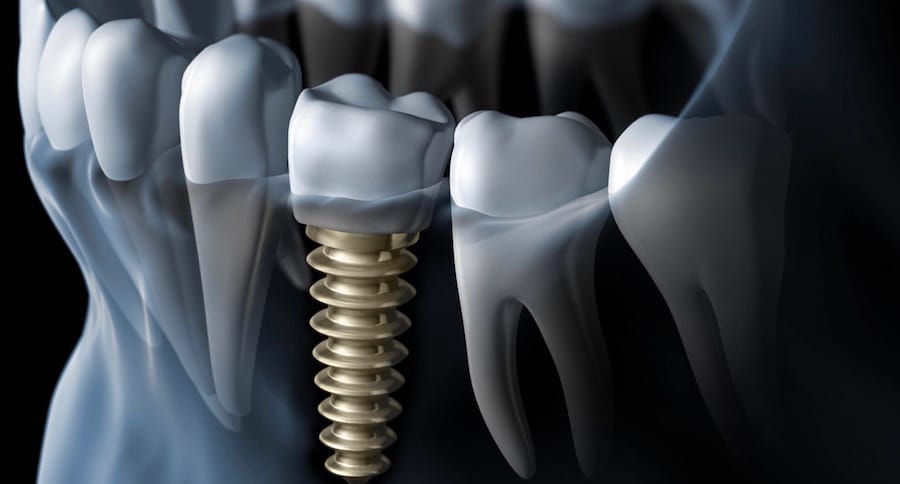
- Implant-supported bridges – Secured using dental implants instead of natural teeth.
The best type of bridge for you will depend on your oral health, the number of missing teeth, and your dentist’s recommendation.
How Long Do Dental Bridges Typically Last?
Dental bridges typically last 5 to 15 years, but with proper care and strong oral hygiene habits, they can stay in good shape for even longer, sometimes over two decades.
What Determines Their Lifespan?
Several factors influence how long your bridge will last:
- Material quality – Bridges made of zirconia or porcelain-fused-to-metal are durable and long-lasting.
- Oral hygiene – Proper brushing and flossing help prevent decay and gum disease around supporting teeth.
- Bite pressure – Bridges in the back of the mouth experience more force, which can shorten their lifespan.
- Diet and habits – Avoiding hard or sticky foods and not using your teeth as tools can help preserve your bridge.
- Regular dental visits – Professional cleanings and exams help detect issues early.
Signs Your Dental Bridge Needs Attention
Even if your bridge seems fine, subtle symptoms may indicate it’s time for a check-up:
- Pain or discomfort near the bridge
- Changes in how your bite feels
- Looseness or movement
- Swelling or gum recession near the area
- Persistent bad breath
How to Extend the Life of Your Dental Bridge
Proper care is essential to keeping your dental bridge strong and functional for as long as possible.
1. Maintain Daily Oral Hygiene
Brush your teeth morning and night, and floss daily, paying extra attention to where your bridge meets your natural teeth. Use a floss threader or a water flosser to clean underneath the bridge.
2. Rinse With Mouthwash
An antibacterial mouthwash helps keep your gums healthy and reduces plaque that can harm supporting teeth.
3. Be Cautious With Certain Foods
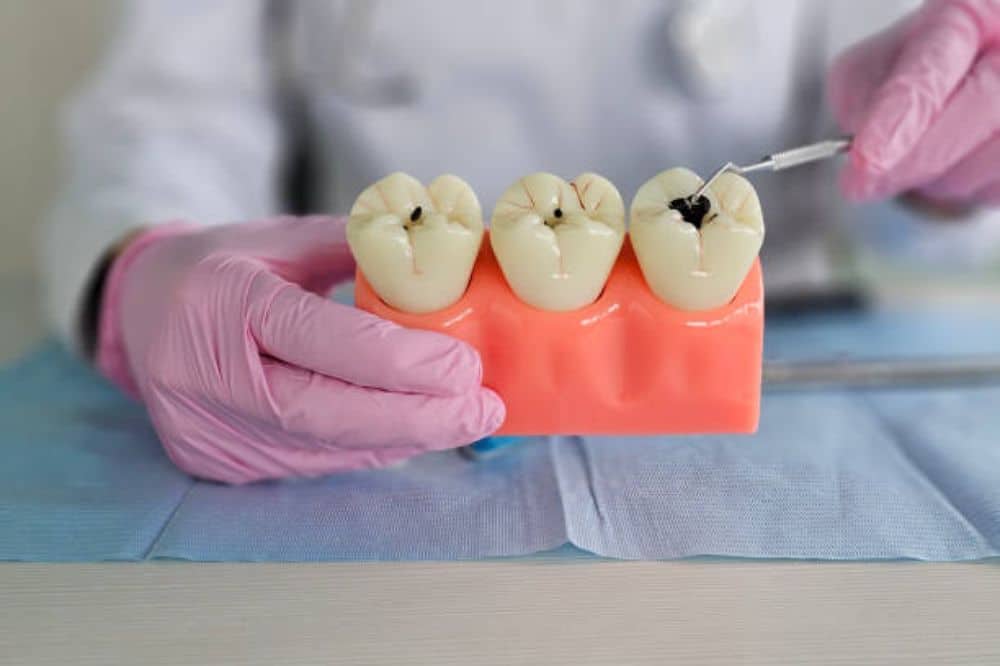
Avoid chewing on ice, hard candies, or To protect your dental bridge, steer clear of chewing on ice, hard candies, or sticky foods that could potentially crack or dislodge it. Your smile deserves the best care! Sticky foods that could crack or dislodge the bridge.
4. Visit the Dentist Regularly
Seeing your dentist twice a year helps spot issues before they get serious. During these visits, they’ll make sure your bridge still fits properly and clean spots that are tough to reach on your own.
5. Use a Night Guard if Needed
If you grind your teeth, wearing a night guard can prevent damage from excessive force on the bridge.
6. Don’t Use Teeth as Tools
Opening packages or bottles with your teeth increases the risk of breaking your bridge and damaging natural teeth.
7. Monitor for Changes
Keep an eye out for any changes in comfort, fit, or function. If something feels off, contact your dentist promptly.
8. Hydration and Nutrition Matter
Staying hydrated and eating a balanced diet with plenty of calcium and vitamins can keep your gums and supporting teeth healthy. This helps prolong the life of your bridge by supporting the foundation it’s built on.
When Replacement Might Be Needed
Dental bridges aren’t forever. Over time, wear and tear, decay in the supporting teeth, or changes in your bite may require replacement. Your dentist will evaluate the condition of your bridge and recommend the right course of action if it’s no longer serving its purpose effectively.
Benefits of a Well-Maintained Dental Bridge
Keeping your bridge in great shape helps you:
- Chew and speak comfortably
- Prevent neighbouring teeth from shifting
- Maintain facial structure
- Avoid more costly dental procedures later on
- Keep your smile looking natural and confident
Choosing the Right Provider Makes a Difference
A well-constructed bridge from a skilled dental team is more likely to last and feel natural. The quality of materials and precision of fit are just as important as the care you give it at home.
Time to Check In on Your Dental Bridge?
If you’re wondering whether your bridge needs attention or if you’re exploring tooth replacement options, schedule a visit with a Downtown dentist at Aria Dental Studio. Our team specializes in dental bridges in Vancouver and can help ensure your smile stays strong, functional, and beautiful for years to come.