Having a tooth extracted is not something most people look forward to, but for many patients, it goes smoothly, and healing progresses without any significant problems. Dry socket is one of the complications that can occasionally occur after an extraction, and it tends to cause a level of discomfort that is noticeably more intense than the normal post-extraction soreness most patients experience. If your dentist in Downtown Vancouver has recently recommended an extraction, or if you have just had one and want to know what to watch for, understanding dry socket before it becomes an issue is genuinely useful.
What Dry Socket Actually Is
After a tooth is removed, a blood clot forms in the empty socket. This clot is not just a byproduct of the healing process. It serves a specific and important purpose. It protects the underlying bone and nerve endings from exposure, acts as a foundation for new tissue to grow into the socket, and essentially seals off the area while healing takes place beneath it.
Dry socket, known clinically as alveolar osteitis, occurs when the blood clot is dislodged, dissolves prematurely, or fails to form properly in the first place. When the clot is lost, the bone and nerve tissue at the base of the socket are left exposed to air, food, and bacteria. This exposure is what causes the significant discomfort associated with the condition.
How Common Is Dry Socket
Dry socket occurs in a relatively small percentage of tooth extractions overall, but the risk is higher for certain types of extractions. Wisdom tooth removals, particularly lower wisdom teeth, carry a notably higher risk than extractions of other teeth. This is partly due to the location and depth of the socket, and partly because the blood supply and healing dynamics in that area of the jaw differ from other regions.
For routine extractions of fully erupted teeth, the risk is considerably lower, though not zero. Understanding your individual risk factors before your procedure allows you to take the most effective precautions during the recovery period.
Why Dry Socket Happens
Suction and Pressure
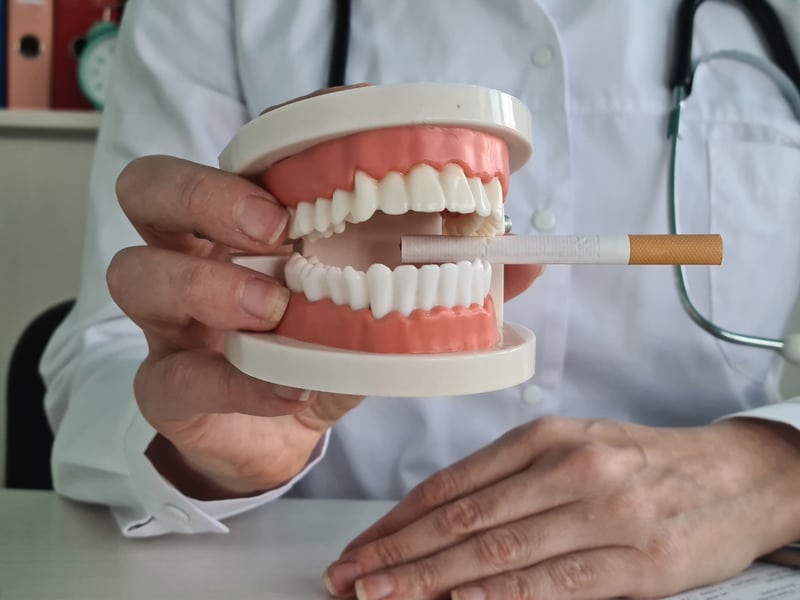
One of the most common causes of dry socket is the creation of negative pressure in the mouth during the healing period. Smoking through a cigarette or pipe, drinking through a straw, or any action that creates a strong sucking motion can physically dislodge the blood clot before it has had enough time to stabilize. This is why dental teams emphasize avoiding straws and smoking so consistently after an extraction.
Smoking and Tobacco Use
Tobacco deserves its own mention beyond the suction issue. The chemicals in cigarette smoke have been shown to interfere with the healing process and reduce blood supply to the extraction site, both of which increase the likelihood of clot disruption or failure. Patients who smoke are significantly more likely to develop dry socket than non-smokers, and the risk remains elevated for several days post-extraction.
Bacteria and Infection
Pre-existing bacterial activity in the mouth can interfere with clot formation and stability. Patients with active gum disease or an existing infection at the time of extraction may face a higher risk. This is one reason your dental team may recommend addressing any active infection before proceeding with a planned extraction, where possible.
Hormonal Factors
Research has found that estrogen levels can affect blood clotting and healing in the mouth. Patients taking oral contraceptives or going through hormonal changes may have a somewhat elevated risk of dry socket compared to the general population. If this applies to you, it is worth mentioning to your dentist before your procedure so they can factor it into your aftercare guidance.
Difficult or Complex Extractions
Extractions that require more manipulation of the surrounding tissue, such as impacted wisdom teeth or teeth with curved or multiple roots, naturally involve more disruption to the socket area. This can make clot formation less predictable and increase the risk of complications, including dry socket.
Recognizing the Symptoms
Normal post-extraction soreness typically peaks in the first day or two and then gradually improves. Dry socket feels different. The discomfort tends to intensify rather than ease, usually appearing two to four days after the extraction. Patients often describe it as a deep, throbbing ache that radiates toward the ear, eye, or neck on the affected side.
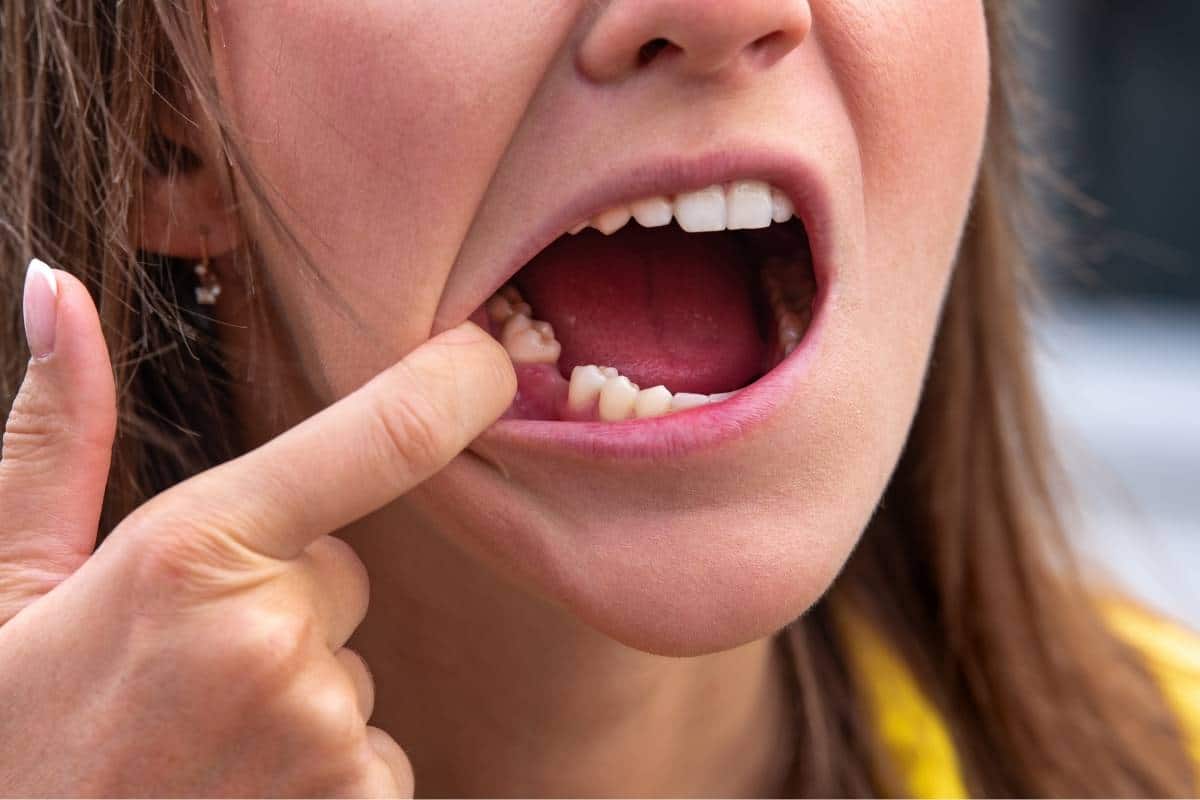
Looking into the mirror, you may notice that the socket appears empty or whitish rather than covered by a dark blood clot. An unpleasant taste or odour coming from the socket is also a common sign that something is not healing as it should.
If you experience these symptoms, contacting your dental office promptly is important. Dry socket does not resolve on its own as quickly as normal healing would, and professional treatment significantly speeds up recovery and reduces discomfort.
How Dry Socket Is Treated
Treatment for dry socket involves cleaning the socket gently and placing a medicated dressing directly into the affected area. The dressing contains ingredients that help soothe the exposed tissue and reduce the intensity of discomfort. Depending on how the socket responds, the dressing may need to be replaced at follow-up appointments until healing progresses sufficiently.
Most patients notice a meaningful reduction in discomfort relatively soon after the dressing is placed. The socket will continue healing from the base upward, and with proper management, the recovery period moves forward more comfortably.
How to Reduce Your Risk
Following your post-extraction instructions carefully is the most effective thing you can do to reduce the risk of dry socket. A few habits to be particularly mindful of in the days following an extraction include avoiding straws completely for at least a week, refraining from smoking or using any tobacco products for as long as possible after the procedure, eating soft foods and chewing away from the extraction site, avoiding rinsing forcefully on the day of the extraction, and keeping up with gentle salt water rinses as recommended by your dental team from the day after the procedure onward.
Your dentist may also recommend avoiding certain medications, such as aspirin in the days surrounding your extraction, as some over-the-counter pain relievers can affect clotting. Always check with your dental team before taking any medication around the time of a procedure.
Book Your Appointment at Aria Dental Studio in Downtown Vancouver
At Aria Dental Studio, we take the time to prepare every patient thoroughly before an extraction and provide clear aftercare guidance so that your recovery goes as smoothly as possible. If you have questions about an upcoming extraction, are concerned about symptoms you are experiencing after a recent procedure, or are simply looking for a dentist in Downtown Vancouver you can trust with your care, we would love to hear from you. Call us at (604) 568-8686.