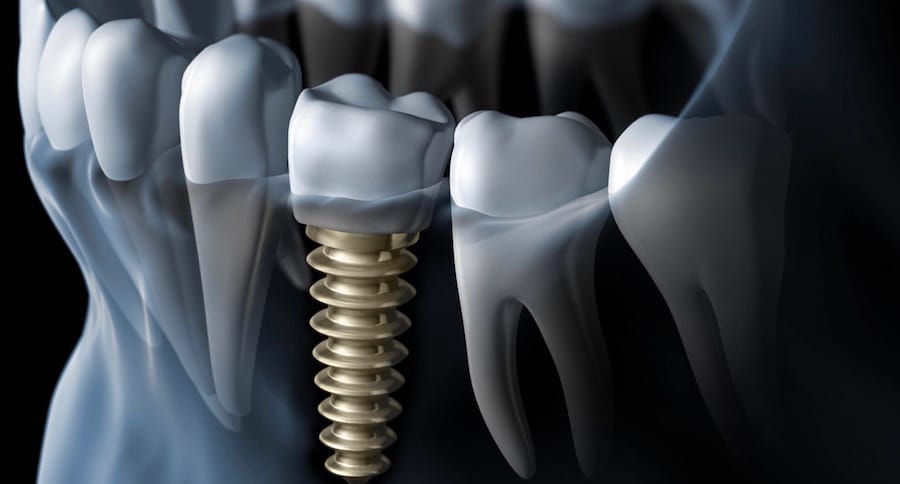
Dental implants are widely considered one of the most reliable and long-lasting solutions for missing teeth. They look natural, function like real teeth, and can last decades with proper care. However, like any medical or dental procedure, implants are not completely immune to complications.
At Aria Dental Studio, patients often ask whether dental implants can fail and what signs to watch for. If you are considering or already have Implants in Downtown Vancouver, understanding the potential risks, warning signs, and preventive steps can help protect your investment and your oral health.
How Successful Are Dental Implants?
Dental implants have a high success rate, often exceeding 95 percent when placed and maintained properly. Success depends on several factors, including overall health, bone quality, oral hygiene, and lifestyle habits.
While most implants integrate successfully with the jawbone, failure can occur in rare cases. Early detection and professional monitoring significantly improve outcomes.
If you are working with a trusted Dentist in Downtown Vancouver, your implant treatment plan will be carefully designed to minimize risks from the start.
What Is Dental Implant Failure?
Dental implant failure occurs when the implant does not properly integrate with the surrounding bone or becomes unstable after placement. Failure can happen shortly after surgery or years later.
There are two main types of implant failure:
- Early failure, which happens within the first few months
- Late failure, which occurs after the implant has already healed and functioned successfully
Understanding the difference helps identify appropriate treatment.
Causes of Early Implant Failure
Early failure usually occurs before the implant fully fuses with the jawbone. This process, called osseointegration, is essential for long-term stability.
Common causes include:
Infection
Infection at the implant site can interfere with healing. Poor oral hygiene or untreated gum disease increases this risk.
Insufficient Bone Density
If the jawbone is not strong enough to support the implant, stability may be compromised. In some cases, bone grafting may be recommended before placement.
Medical Conditions
Certain health conditions, such as uncontrolled diabetes or an immune disorder, can affect healing.
Smoking
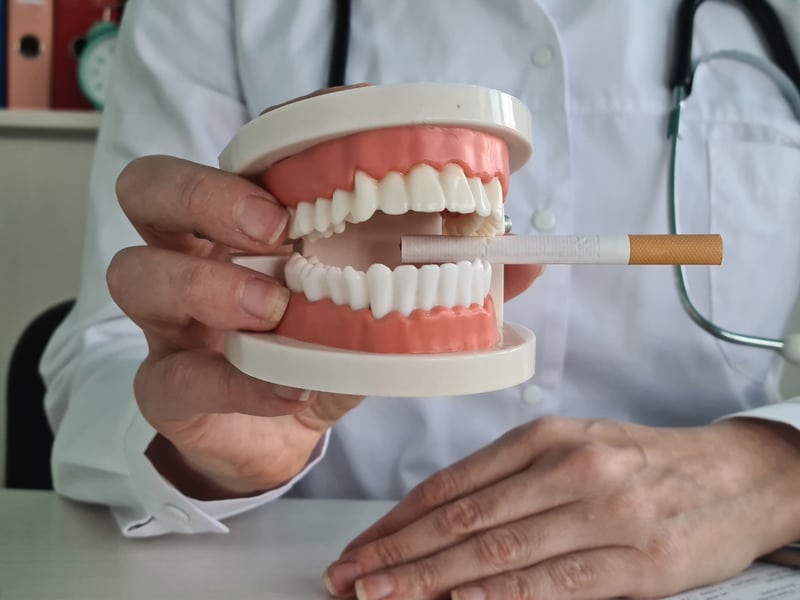
Smoking significantly reduces blood flow and slows healing, increasing the risk of implant complications.
Causes of Late Implant Failure
Late failure happens after the implant has been functioning successfully for some time.
Common causes include:
Peri-Implantitis
This condition is similar to gum disease and involves inflammation and infection around the implant. If untreated, it can lead to bone loss.
Excessive Bite Force
Teeth grinding or clenching can place excessive pressure on the implant, potentially causing loosening over time.
Poor Oral Hygiene
Even though implants cannot develop cavities, the surrounding gum tissue can become infected if not properly maintained.
Patients with Implants in Downtown Vancouver are advised to maintain regular checkups to monitor gum health and implant stability.
Warning Signs of Implant Problems
Recognizing early signs of implant complications can prevent more serious issues.
Watch for:
- Persistent pain after healing
- Swelling or redness around the implant
- Bleeding gums near the implant
- Loosening or shifting sensation
- Difficulty chewing
- Gum recession around the implant
If you experience any of these symptoms, contact your Dentist in Downtown Vancouver promptly for evaluation.
How Implant Failure Is Treated
Treatment depends on the cause and severity of the issue.
In some cases, infection can be managed with professional cleaning and antibiotics. If the implant has become unstable, removal may be necessary.
After healing, a new implant may be placed if the bone remains healthy or after bone grafting if needed.
Early intervention often improves the chances of saving the implant.
Preventing Dental Implant Failure
The good news is that most implant complications are preventable with proper care and professional monitoring.
Maintain Excellent Oral Hygiene
Brush twice daily and floss carefully around the implant area. Special floss or interdental brushes may be recommended.
Attend Regular Dental Visits
Routine exams and cleanings allow your provider to monitor bone levels and gum health around the implant.
Avoid Smoking
If you smoke, consider quitting. Smoking is one of the leading risk factors for implant failure.
Protect Against Grinding
If you grind your teeth at night, wearing a custom nightguard can protect both natural teeth and implants.
Follow Post-Operative Instructions
After implant placement, follow all healing guidelines carefully to support proper integration.
At Aria Dental Studio, patient education is a key part of successful implant care.
Are Dental Implants Still Worth It?
Despite the possibility of complications, dental implants remain one of the most predictable and durable tooth replacement options available. With proper planning and ongoing care, they can last decades.
The key is working with an experienced provider who carefully evaluates bone health, medical history, and long-term maintenance.
If you are considering Implants in Downtown Vancouver or have concerns about an existing implant, Aria Dental Studio is here to help. Call (604) 568-8686 to schedule a consultation with a trusted Dentist in Downtown Vancouver and ensure your smile remains strong, stable, and healthy for years to come.