Dental implants have transformed modern dentistry by offering a long-lasting and visually appealing solution for replacing missing teeth. One of the most common questions patients ask is: “How long do dental implants last?” While dental implants are known for their longevity, various factors can influence their lifespan. In this article, we’ll explore what impacts the durability of dental implants and how you can ensure they stand the test of time.
What Are Dental Implants?
Dental implants are artificial tooth roots made from biocompatible materials, usually titanium. They are surgically placed into the jawbone, where they fuse with the bone to provide a stable foundation for crowns, bridges, or dentures. This integration, known as osseointegration, is what makes dental implants a long-lasting solution for tooth replacement.
How Long Do Dental Implants Typically Last?
Dental implants are designed to be a permanent solution, with many lasting 20 years or more. In fact, with proper care, implants can last a lifetime. However, it’s important to note that the crown or prosthetic attached to the implant may need replacement every 10–15 years due to wear and tear.
Factors That Influence Implant Lifespan
Several factors determine how long your dental implants will last, including:
- Oral Hygiene: Maintaining excellent oral hygiene is critical for preventing infections like peri-implantitis, which can jeopardize implant stability.
- Bone Health: Sufficient jawbone density is essential for implant success. Bone loss around the implant can shorten its lifespan.
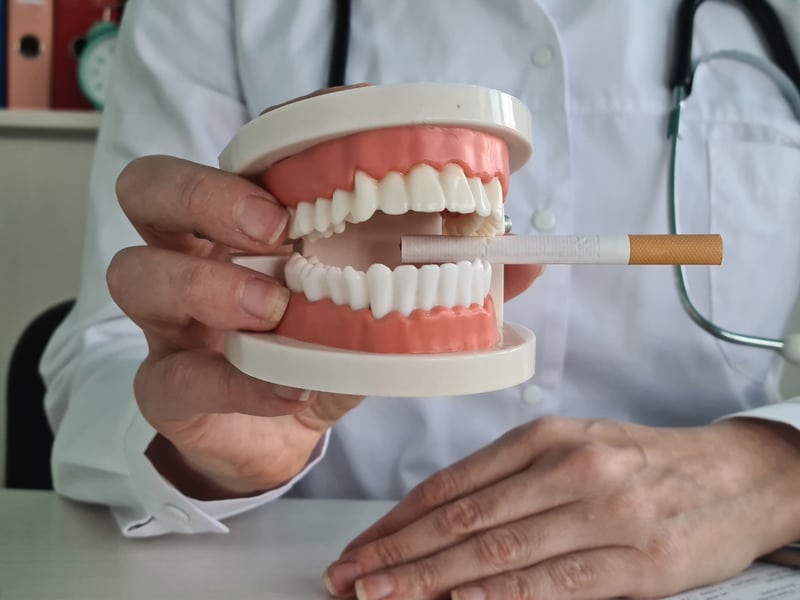
- Lifestyle Habits: Smoking, excessive alcohol consumption, or grinding teeth (bruxism) can negatively impact implant durability.
- Material Quality: High-quality implants made from durable materials tend to last longer.
- Dentist’s Expertise: Your dentist’s skill and experience play a significant role in the success and longevity of your implants.
Why Dental Implants Are So Durable
The longevity of dental implants can be attributed to their design and the materials used:
- Titanium Implants: Titanium is biocompatible and resistant to corrosion, making it an ideal choice for long-term use.
- Osseointegration: The implant’s ability to bond with the jawbone creates a stable and secure foundation.
- Prosthetic Durability: Crowns and bridges attached to implants are crafted from materials like porcelain or zirconia, which are resistant to wear.
Common Reasons for Implant Failure
Although dental implants boast high success rates (95–98%), certain conditions can lead to failure:
1. Peri-Implantitis
This is a form of gum disease that causes inflammation and bone loss around the implant. It is often the result of poor oral hygiene.
Prevention: Regular brushing, flossing, and dental check-ups can help prevent peri-implantitis.
2. Bone Loss
Insufficient bone density around the implant can weaken its support, leading to failure over time.
Solution: Bone grafting procedures can restore jawbone density before implant placement.
3. Lifestyle Factors
Smoking and grinding teeth put undue stress on dental implants, increasing the risk of complications.
Tip: Quitting smoking and wearing a night guard for bruxism can protect your implants.
How to Extend the Life of Your Dental Implants
While dental implants are a durable solution, proper care is essential to maximize their lifespan.
1. Practice Good Oral Hygiene
- Brush twice a day using a soft-bristled toothbrush.
- Floss daily, paying close attention to areas around the implant.
- Use an antimicrobial mouthwash to reduce bacteria.
2. Regular Dental Check-Ups
Routine visits to your dentist are essential for monitoring implant health. Your dentist can spot early signs of complications and provide timely interventions.
3. Avoid Harmful Habits
- Quit Smoking: Smoking impairs healing and increases the risk of implant failure.
- Limit Hard Foods: Avoid chewing on hard objects like ice, as it can damage the crown or prosthetic.
- Protect Against Grinding: Use a night guard if you grind your teeth during sleep.
4. Maintain a Healthy Lifestyle
- Eat a balanced diet rich in calcium and vitamin D to support bone health.
- Stay hydrated to promote oral health.
Comparing Dental Implants to Other Tooth Replacement Options
When it comes to durability, dental implants outperform other tooth replacement options:
- Dentures: While dentures last 5–8 years on average, they require regular adjustments and may become loose over time.
- Bridges: Dental bridges typically last 10–15 years, but they depend on the health of adjacent teeth, which can weaken over time.
Dental implants offer unmatched longevity, making them a worthwhile investment for many patients.
Final Thoughts
Dental implants are an excellent long-term solution for restoring your smile and oral functionality. Proper care can last a lifetime, making them a reliable and cost-effective choice for tooth replacement. However, their success depends on various factors, including oral hygiene, lifestyle habits, and your dentist’s expertise.
At Aria Dental Studio, we specialize in providing high-quality implants in Vancouver tailored to each patient’s needs. Whether you’re looking for a trusted downtown dentist in Vancouver or a skilled Vancouver dentist to guide you through the process, our team is here to help.