A swollen face, lingering fever, or foul taste in your mouth might seem like random symptoms. But together, they could be pointing to something serious: a dental abscess.
Let’s break down the warning signs, causes, treatment options, and what to do if you suspect you’re dealing with an abscessed tooth.
What Is a Dental Abscess?
A dental abscess is an infection that causes pus to accumulate in or around a tooth. It can be very painful and usually signals that bacteria have invaded either the tooth pulp, gums, or bone that supports the tooth.
There are three main types:
1. Periapical Abscess
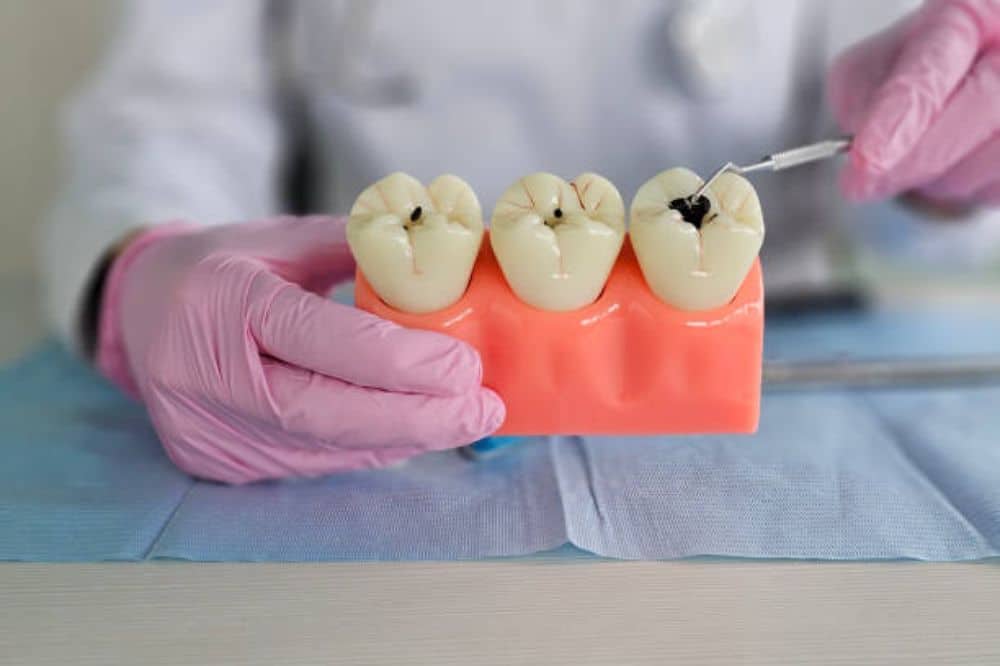
Occurs at the tip of the tooth root, typically caused by tooth decay that has spread deep into the pulp.
2. Periodontal Abscess
Forms in the gums, often the result of advanced gum disease.
3. Gingival Abscess
Involves only the gum tissue and not the tooth or its supporting structures. This type can happen if a piece of food or debris gets trapped in the gum.
Common Symptoms of a Dental Abscess
The symptoms of a dental abscess may start out mild but quickly intensify. Key warning signs include:
- Severe, throbbing toothache
- Swelling in your face, cheek, or neck
- Fever
- Pain when chewing or biting
- Sensitivity to hot or cold
- Swollen, red gums
- Pus discharge or a bad taste in the mouth
- Bad breath
- Difficulty opening your mouth or swallowing
If the infection spreads, it can affect other parts of your body. This is why a dental abscess is considered a medical emergency in many cases.
What Causes Dental Abscesses?
Dental abscesses are caused by bacteria. These bacteria can enter your mouth through:
- Untreated tooth decay
- Gum disease (periodontitis)
- Cracked or chipped teeth
- Poor oral hygiene
- A weakened immune system
Once inside, bacteria can multiply and create an infection that leads to abscess formation.
Why You Should Never Ignore the Symptoms
Many people brush off tooth pain or facial swelling, thinking it will go away. But in the case of a dental abscess, delaying treatment can lead to serious health risks:
- Bone loss around the infected tooth
- Tooth loss
- Spread of infection to the jaw, neck, or brain
- Sepsis, a potentially life-threatening condition
The longer you wait, the more complex and costly the treatment becomes. That’s why early detection and intervention are critical.
Diagnosis: What to Expect
When you visit a dentist with abscess symptoms, here’s what typically happens:
- Visual Exam: Your dentist will check for visible swelling or pus.
- X-rays: These help locate the abscess and determine the extent of infection.
- Sensitivity Tests: These identify whether the nerve inside the tooth is affected.
Accurate diagnosis helps determine the best course of treatment.
How Are Dental Abscesses Treated?
The goal of treatment is to eliminate the infection and save the tooth whenever possible. Treatment options include:
1. Draining the Abscess
A dentist may make a small incision to release the pus, relieving pressure and pain.
2. Root Canal Treatment
If the abscess is in the tooth pulp, a root canal can clean out the infection and seal the tooth.
3. Tooth Extraction
In severe cases where the tooth cannot be saved, it may need to be removed.
4. Antibiotics
Prescribed if the infection has spread or if drainage isn’t possible right away.
Post-treatment, pain should reduce within days, but it’s essential to complete the full course of medication and attend follow-up visits.
Home Care: What You Can Do Before Seeing a Dentist
While you should never rely on home remedies as a cure, these steps can help manage discomfort until you get professional care:
- Rinse with warm salt water
- Take over-the-counter pain relievers
- Avoid extremely hot or cold foods
- Keep your head elevated to reduce pressure
Never attempt to drain an abscess yourself. This can worsen the infection and delay proper treatment.
How to Prevent a Dental Abscess
The best cure is prevention. Here’s how to lower your risk:
- Brush twice daily with fluoride toothpaste
- Floss every day
- Avoid sugary snacks and drinks
- Visit your dentist regularly for checkups and cleanings
- Address cavities and gum issues early
Good oral hygiene and routine dental care go a long way in keeping bacteria at bay.
Looking for a Trusted Vancouver Dentist?
If you’re experiencing any of the symptoms mentioned above, don’t wait. At Aria Dental Studio, our team is here to help with prompt diagnosis and compassionate care. Whether it’s a dental abscess or general oral health concerns, your well-being is our priority.
Book an appointment with a Vancouver dentist at Aria Dental Studio today and get back to feeling your best.
Final Thoughts
A dental abscess isn’t just a minor inconvenience. It’s your body waving a red flag that something’s wrong. Swelling, fever, and bad taste are signs that shouldn’t be ignored. Quick action not only saves your tooth but could also protect your health.
Your mouth matters. Take it seriously.