Many patients feel frustrated when they develop cavities even though they brush their teeth every day. While brushing is one of the most important parts of oral hygiene, it is only one piece of the puzzle. Plaque can build up silently in areas that are easy to miss, which can eventually lead to tooth decay without obvious warning signs.
At Aria Dental Studio, many patients are surprised to learn how hidden plaque can cause problems even when they believe they have good brushing habits. If you are searching for a trusted Vancouver Dentist, understanding how plaque forms and where it hides can help you better protect your long-term oral health.
What Is Plaque and Why Does It Matter?
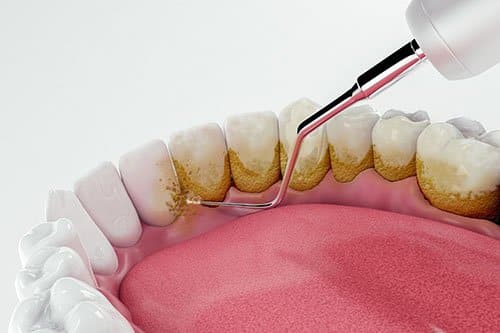
Plaque is a soft, sticky film of bacteria that forms on teeth throughout the day. It develops when bacteria mix with food particles and sugars in the mouth. If plaque is not removed regularly, it produces acids that weaken tooth enamel and eventually cause cavities.
Plaque forms from:
- Food debris
- Sugary or starchy foods
- Natural mouth bacteria
- Saliva proteins
Even patients who brush regularly can still have plaque buildup if certain areas are consistently missed.
The Sneaky Dangers of Plaque: Plaque Can Quietly Build Up in Hard-to-Reach Areas Between Teeth and Along the Gumline, Slowly Weakening Enamel and Increasing Cavity Risk Even in Patients Who Brush Every Day but May Miss Hidden Spots During Routine Cleaning.
Why Brushing Alone May Not Fully Protect Teeth
Brushing helps remove plaque from visible tooth surfaces, but toothbrush bristles cannot always reach tight spaces or deep grooves.
Common missed areas include:
- Between teeth
- Behind back molars
- Along the gumline
- Around fillings, crowns, or dental work
- Around orthodontic appliances
Without flossing or additional cleaning tools, plaque can remain and slowly cause damage.
How Plaque Leads to Cavities Over Time
If plaque stays on teeth for too long, it begins to harden into tartar. Tartar cannot be removed with brushing and requires professional cleaning. Meanwhile, plaque bacteria continue producing acid that weakens enamel.
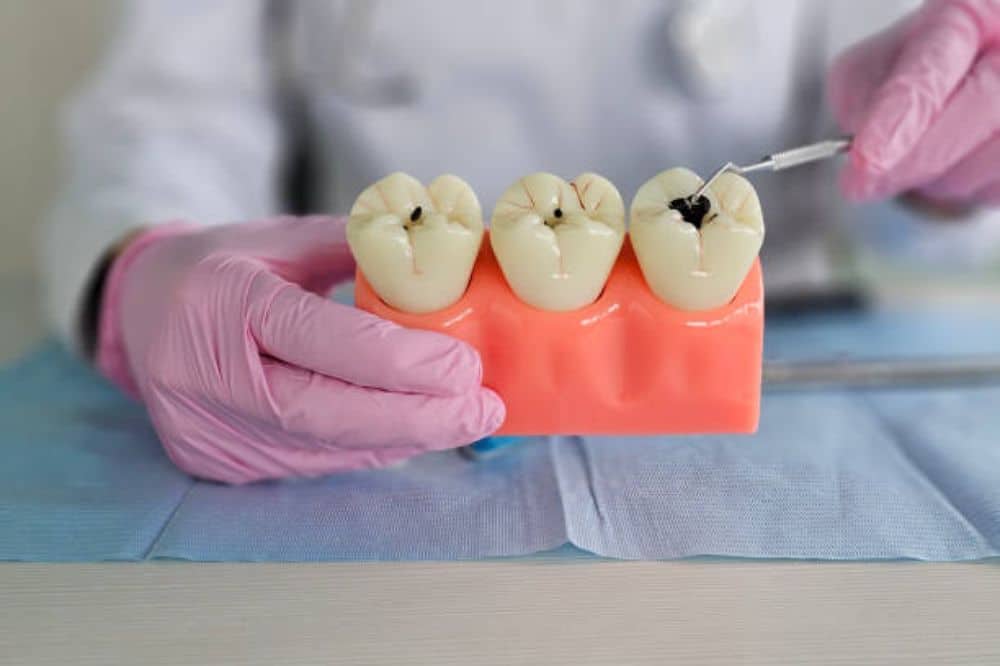
Early tooth decay usually does not cause pain. Cavities often develop slowly and silently, which is why regular dental exams are important.
Why Some Patients Are More Cavity-Prone Than Others
Some patients naturally develop cavities more easily, even with good brushing habits.
Risk factors include:
- Deep grooves in teeth
- Dry mouth or low saliva production
- High sugar or acidic diet
- Genetics affecting enamel strength
- Crowded teeth
- Inconsistent flossing
A professional evaluation helps identify individual cavity risk levels.
The Importance of Flossing for Hidden Plaque Removal
Flossing removes plaque between teeth where toothbrushes cannot reach. Many cavities develop in these areas.
Daily flossing helps:
- Remove trapped bacteria
- Protect gums from inflammation
- Reduce risk of interproximal cavities
- Improve overall oral health
Patients who brush but skip flossing often develop cavities between teeth.
Professional Dental Cleanings Remove Tartar and Hidden Plaque
Even patients with excellent home care need professional cleanings. Dental hygienists use specialized tools to remove hardened tartar and hidden plaque.
Regular cleanings help:
- Prevent cavities
- Reduce gum disease risk
- Detect early decay
- Maintain overall oral health
Your Vancouver Dentist can detect early plaque buildup before it turns into major dental problems.
Diet and Lifestyle Impact Plaque Formation
Diet plays a major role in plaque development. Frequent snacking and sugary drinks feed plaque bacteria throughout the day.
Helpful habits include:
- Drinking water after meals
- Limiting sugary snacks
- Avoiding frequent sipping of sweet drinks
- Maintaining consistent oral hygiene
Balanced nutrition supports stronger enamel and healthier gums.
Early Warning Signs of Plaque Buildup
Plaque buildup may not cause symptoms early, but some warning signs may include:
- Tooth sensitivity
- Bleeding gums
- Persistent bad breath
- Chalky white spots on teeth
- Rough feeling along tooth surfaces
Early treatment prevents more serious dental problems.
Technology Helps Detect Cavities Early
Modern dental technology allows early detection of cavities before they become painful or large.
Early detection allows:
- Smaller fillings
- Less invasive treatment
- Better long-term outcomes
Preventive dentistry focuses on stopping problems before they progress.
How to Protect Your Teeth From Silent Plaque Buildup
Daily habits play a major role in plaque control.
Recommended habits include:
- Brushing twice daily
- Flossing daily
- Using fluoride toothpaste
- Attending regular dental visits
- Following personalized hygiene recommendations
Consistency is the key to long-term cavity prevention.
Why Personalized Preventive Care Matters
Every patient has unique oral health needs. Some patients benefit from more frequent cleanings or additional preventive treatments.
At Aria Dental Studio, preventive care is personalized based on risk factors, lifestyle, and oral health history. Patients looking for a trusted Vancouver Dentist receive care focused on long-term prevention and oral health stability.
Schedule a Preventive Dental Visit at Aria Dental Studio
If you brush daily but still worry about cavities, a professional dental evaluation can help identify hidden plaque buildup. Aria Dental Studio provides preventive care designed to detect problems early and protect your teeth long term.
Schedule a visit with a trusted Vancouver Dentist to learn how personalized preventive care can help prevent silent plaque buildup and protect your smile.