Losing a tooth affects more than just appearance. The space left behind changes how the surrounding teeth handle daily pressure, and over time that shift can affect the entire bite. Dental implants are often discussed for their appearance benefits, but their role in maintaining bite balance is just as significant.
What Happens to the Bite After Tooth Loss
Neighbouring Teeth Begin to Shift
When a tooth is missing, the teeth on either side no longer have anything to hold their position against. Over time, they can gradually tilt or drift into the open space, which changes the overall alignment of the bite.
Opposing Teeth Can Over-Erupt
The tooth directly above or below the missing space, called the opposing tooth, no longer has anything to bite against in that spot. Without that resistance, it can slowly shift further into the gap than it normally would, which throws off the even contact the bite depends on.
Bone Loss Changes the Foundation
The jawbone beneath a missing tooth relies on the pressure from chewing to maintain its density. Once that stimulation is gone, the bone in that area can begin to shrink, which affects the support structure for neighbouring teeth as well.
Why an Uneven Bite Creates Bigger Problems
Uneven Pressure Distribution
A bite that has shifted out of balance means certain teeth absorb more pressure than others during chewing. Over months and years, this uneven distribution can accelerate wear on specific teeth that weren’t designed to handle that extra load.
Jaw Strain and Discomfort
When the bite shifts, the jaw muscles sometimes compensate by working harder or adjusting their movement pattern. This can contribute to jaw fatigue or discomfort, particularly for patients who already have some sensitivity in that area.
A Cycle That Tends to Continue
Once one tooth shifts, it changes the pressure and space for the next tooth over, which can set off a gradual chain reaction throughout the bite if the missing tooth is never replaced.
How Dental Implants Address This
Replacing the Full Structure, Not Just the Visible Tooth
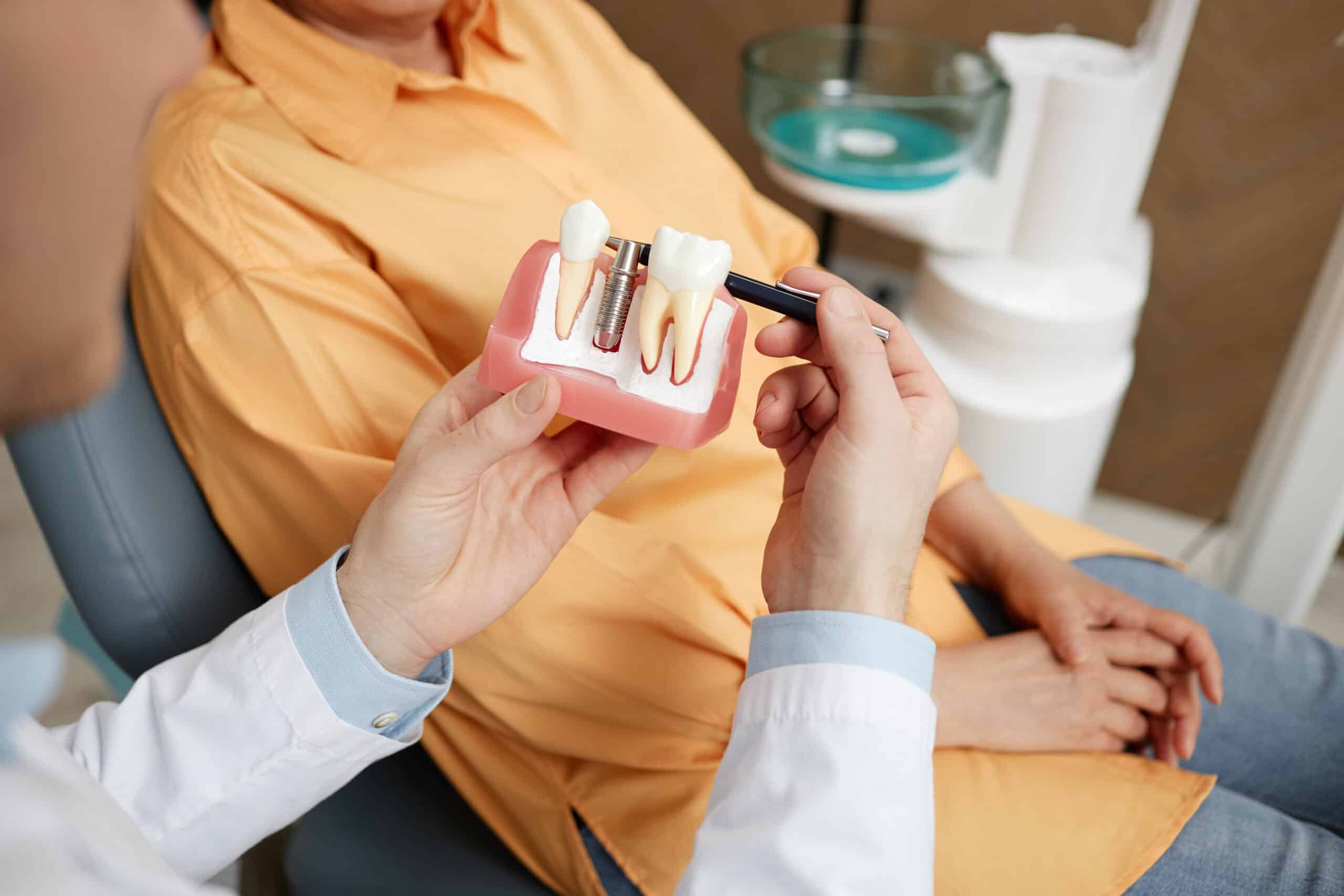
A dental implant replaces the root structure below the gumline in addition to the visible crown above it. This is part of why implants function differently from other replacement options, since they restore the full structure the missing tooth used to provide.
Restoring Chewing Stimulation to the Jawbone
Because an implant integrates with the jawbone, it restores the pressure and stimulation that natural chewing once provided in that area. This helps maintain the bone density that would otherwise continue to decline after tooth loss.
Holding Neighbouring Teeth in Position
With the gap filled by a stable implant, the surrounding teeth have something to maintain their position against again, which reduces the drifting and tilting that often follows an untreated missing tooth.
Preventing Opposing Teeth From Over-Erupting
Once the implant crown is in place, it gives the opposing tooth something to bite against, which helps prevent that tooth from gradually shifting further into the space over time.
What the Implant Process Generally Involves
Initial Evaluation and Planning
Before treatment begins, an evaluation looks at bone density, the position of neighbouring teeth, and overall oral health to determine whether an implant is a good fit and how the placement should be planned.
Placement and Healing
The implant post is placed into the jawbone, followed by a healing period during which the bone integrates with the implant. This healing phase is a necessary step before the final crown can be attached.
Attaching the Final Restoration
Once healing is complete, a custom crown is attached to the implant, matching the shape and function of the tooth it’s replacing.
Who Tends to Be a Good Candidate
Sufficient Bone Density
Because implants rely on integration with the jawbone, adequate bone density in the area is an important factor in candidacy. In cases where bone has already diminished, additional steps may be discussed during the evaluation.
Overall Oral Health
General oral health, including gum health and any underlying conditions, plays a role in how predictably an implant can integrate and function long term.
Why Timing Matters After Losing a Tooth
The Sooner the Gap Is Addressed, the Simpler Treatment Tends to Be
The longer a missing tooth goes unaddressed, the more likely surrounding teeth are to shift, and bone density is to decline in that area. Addressing the gap sooner rather than later often makes for a more straightforward implant process.
Talk to Aria Dental Studio About Dental Implants in Downtown Vancouver
If you’re dealing with a missing tooth and want to understand your options for restoring bite balance, our team can walk you through what implant treatment would involve for your specific situation.
- Call (604) 568-8686 to schedule a consultation with your Downtown Vancouver dentist
- Request an appointment online at Aria Dental Studio
- Learn more about dental implants in Downtown Vancouver
- Ask whether you’re a candidate for implant treatment
- Visit us at 1030 W Georgia St #203, Vancouver, BC