Dental implants are one of the more permanent approaches to tooth replacement, and most patients who look into them want to know one thing before anything else: Do I actually qualify? The answer requires a clinical assessment, not a general checklist. But understanding the factors involved helps patients walk into a consultation at Aria Dental Studio in Downtown Vancouver with realistic expectations and the right questions.
Dr. Ali Mehio is a general dentist with advanced training in dental implant placement, including fellowship training at the Misch Implant Institute and the International Congress of Oral Implantology (ICOI). The evaluation he conducts goes beyond a quick look in the mouth; it draws on imaging, medical history, and a careful review of the bite and bone structure that will support the implant long-term.
What a Dental Implant Actually Needs to Succeed
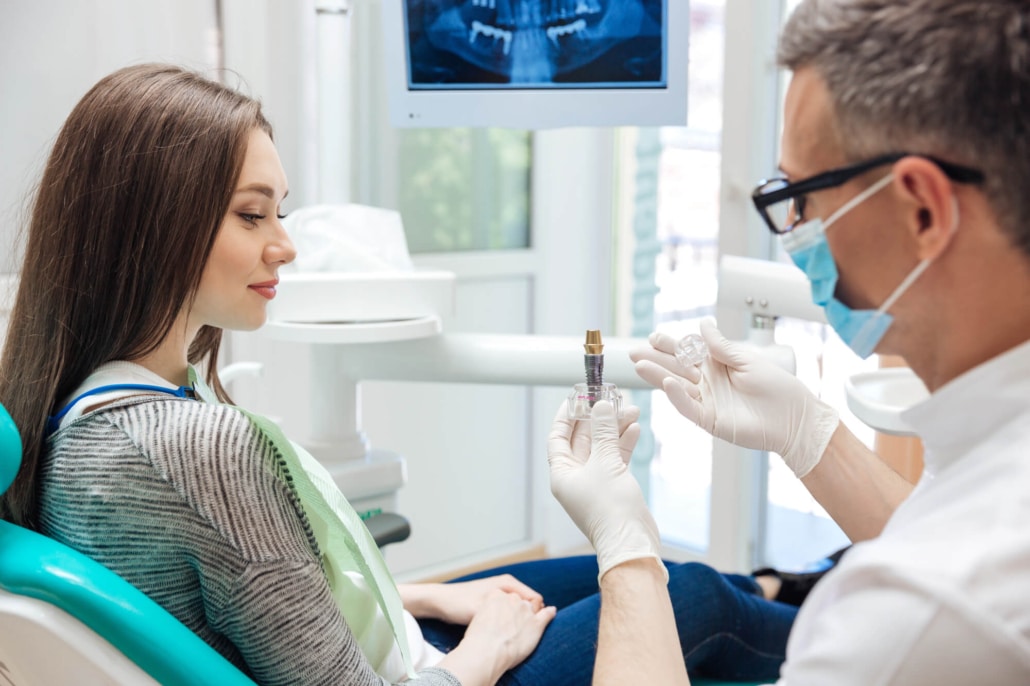
Before getting into the specific factors, it helps to understand what an implant requires at a basic level. A dental implant is a titanium post placed into the jawbone. Over several months, the bone grows around the post in a process called osseointegration, locking it in place. A crown is then attached above the gumline.
For this to work reliably, there needs to be sufficient bone to anchor the implant, healthy gum tissue at the site, and a patient whose health supports the healing process. When any of these conditions are not met, the plan either needs adjustment or implants may not be the right fit at all.
Factors Dentists Evaluate for Implant Candidacy
1. Bone Volume and Density
Bone is the foundation every implant rests on. When a tooth is lost, the bone in that area begins to resorb over time because it no longer receives stimulation from a root. How much bone remains depends on how long ago the tooth was lost and whether other factors have accelerated the loss.
Aria Dental Studio uses Cone Beam CT scanning (CBCT) to evaluate the three-dimensional structure of the jawbone before any implant planning. This gives Dr. Mehio a precise picture of available bone height, width, and density, and whether the implant can be placed safely and at the right angle.
When bone volume is insufficient, bone grafting can sometimes rebuild the site ahead of implant placement. Whether grafting is appropriate adds to the overall timeline, typically by several months, and is assessed case by case.
2. Gum Health
Active gum disease is a contraindication for implant placement. The bacteria associated with periodontal disease can affect the tissue around an implant the same way it affects natural teeth, leading to peri-implantitis, an infection around the implant that can result in bone loss and implant failure.
Patients with a history of gum disease are not automatically excluded. What matters is whether the gum health has been treated and stabilized. If active disease is present, periodontal treatment comes first. Aria Dental Studio provides periodontal services in Downtown Vancouver and can address gum health as part of an overall treatment plan before implant placement proceeds.
3. Overall Health and Healing
Certain systemic health conditions and medications affect how the body heals after surgical procedures. Uncontrolled diabetes, for example, impairs healing and raises infection risk. Some medications, including certain drugs used to manage osteoporosis, can interfere with how bone responds around an implant.
These factors do not automatically disqualify a patient but need to be reviewed during the consultation. Dr. Mehio asks about medical history and current medications as a standard part of the implant assessment.
4. Smoking
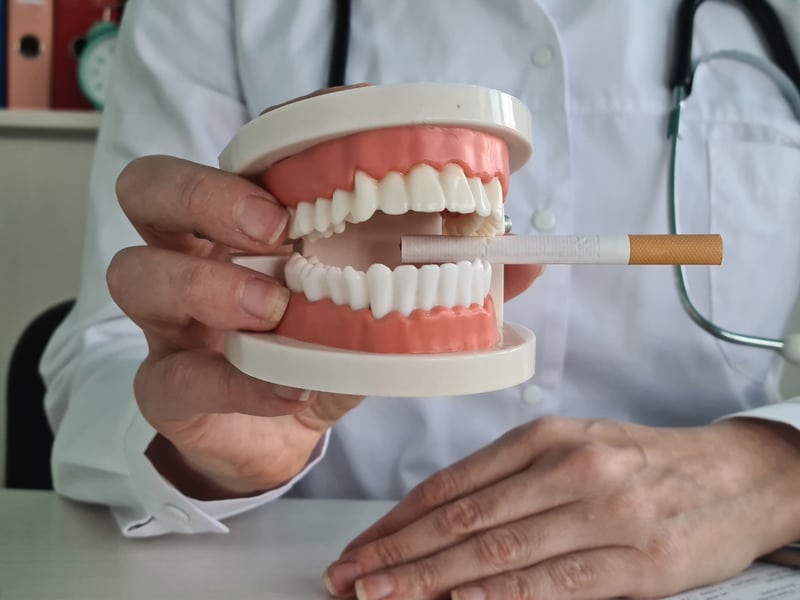
Smoking reduces blood supply to the gum tissue and slows post-surgical healing. Research consistently shows that smokers have higher implant failure rates than non-smokers. Patients who smoke are informed of this before treatment begins. Some patients choose to quit or significantly reduce smoking ahead of the procedure to improve their clinical picture.
5. Bite and Jaw Function
This is an area where Aria Dental Studio takes a particularly thorough approach. Dr. Mehio completed fellowship and mentorship training at the KOIS Institute, which focuses on functional occlusion, how the teeth, jaw joints, and muscles work together. How an implant will function under chewing load, and whether the bite places excessive force on the implant, is part of the evaluation.
Patients with significant grinding habits or bite imbalances may need those issues addressed alongside or before implant placement. An implant placed into a poorly functioning bite is under more stress than it should be, which affects how long it holds up over time.
6. Age and Jaw Development
Implants are not placed in patients whose jaws are still growing, which generally means younger teenagers. Once jaw development is complete, older age is not a barrier on its own. Many patients in their 60s, 70s, and beyond have successful implant outcomes when bone and health factors are favourable.
7. Commitment to Ongoing Maintenance
Implants need the same ongoing care as natural teeth, regular cleaning appointments, proper home hygiene around the implant site, and prompt attention to any signs of trouble. Bone loss around an implant from neglected hygiene can occur just as it does around natural teeth. Patients who understand and commit to this maintenance are better long-term candidates than those who are not prepared for it.
What the Consultation Looks Like at Aria Dental Studio
A dental implant consultation at Aria Dental Studio in Downtown Vancouver includes a clinical examination, CBCT imaging of the jaw, a review of your medical history, and a discussion of your treatment goals. Dr. Mehio uses digitally guided implant planning, which allows the placement to be mapped precisely before surgery.
If preparatory work is needed, whether bone grafting, periodontal treatment, or bite adjustment, the full plan is laid out before any treatment begins, so patients understand the timeline and what each phase involves.
Aria Dental Studio accepts most major dental insurance plans and offers extended payment options through Credit Medical.
About Dr. Ali Mehio and Implant Dentistry at Aria Dental Studio
Dr. Ali Mehio (DDS, McGill University, 2002; AEGD Residency, University of Michigan) is a general dentist in Downtown Vancouver with advanced training in dental implants and functional occlusion. He holds fellowships with the Misch Implant Institute, the International Congress of Oral Implantology (ICOI), and the KOIS Institute, where he also serves as a mentor to other dentists. Learn more about dental implants in Downtown Vancouver or explore the full services at Aria Dental Studio.
Book a Dental Implant Consultation at Aria Dental Studio
If you are considering dental implants in Downtown Vancouver, call Aria Dental Studio at (604) 568-8686 or request an appointment online.
- Call Aria Dental Studio at (604) 568-8686 to book your dental implant consultation in Downtown Vancouver
- Request an appointment online at Aria Dental Studio to have Dr. Mehio assess your implant candidacy
- Ask about CBCT imaging and digitally guided implant planning at your first visit to Aria Dental Studio