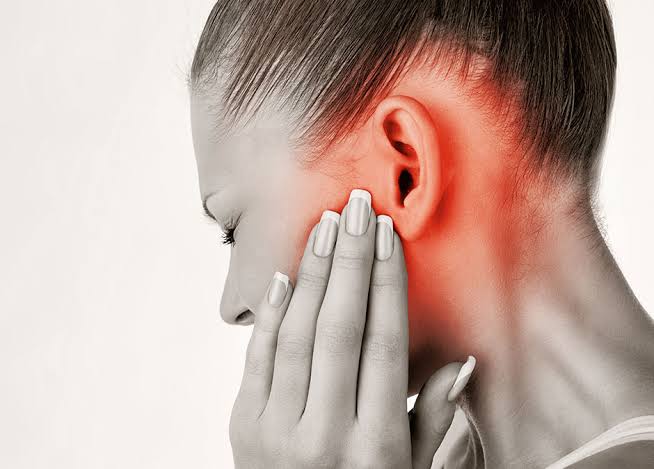
When a tooth is lost, the conversation usually focuses on the gap itself and how it affects eating, appearance, or adjacent teeth. What gets less attention is what happens to the jaw joint. Missing teeth change how the jaw closes, how force is distributed during chewing, and, over time, how much stress is placed on the temporomandibular joints on either side of the jaw.
At the Downtown dental clinic, this connection between tooth loss and jaw function is something Dr. Ali Mehio addresses directly. His training at the KOIS Institute, a dental teaching centre focused on evidence-based functional occlusion, informs how he approaches both tooth replacement and jaw-related concerns.
How the Jaw Joint Works Under Normal Conditions
The temporomandibular joint, commonly called the TMJ, connects the lower jaw to the skull on each side. It is one of the more complex joints in the body because it handles both rotation and sliding movement simultaneously during chewing, speaking, and swallowing.
Under normal conditions, when all the teeth are present and the bite is balanced, the load from chewing is distributed relatively evenly across the dental arches. The jaw muscles work together, the joints move symmetrically, and the system functions without excessive strain on any one area.
When teeth are missing, that balance changes.
What Happens to the Bite When Teeth Are Lost
Every tooth occupies a specific position in the arch and plays a role in how the upper and lower jaws meet. Molars and premolars handle most of the chewing load. When one or more of those teeth are gone, the remaining teeth take on more force than they were designed to carry.
The jaw also starts to shift. Without a tooth to stop the jaw’s closure at the right point, the lower jaw can over-close, drift sideways, or find a new position that feels like it fits but places the jaw joints in a mechanically unfavourable position. Over time, the muscles that move the jaw adapt to this new pattern, often by working harder than necessary to maintain the altered position.
This increased load on the jaw joints is not always felt immediately. Many patients do not connect jaw discomfort, clicking, or muscle tension to a tooth they lost years earlier. The relationship is real, but it develops gradually.
Common Jaw Symptoms Associated with Missing Teeth
Not every person who loses a tooth develops jaw joint problems. The outcome depends on which teeth are missing, how many, how long the gap has been present, and whether the remaining bite can compensate effectively. That said, certain patterns show up repeatedly in patients with unaddressed tooth loss:
Jaw Clicking or Popping
Clicking during jaw movement often signals that the disc inside the TMJ is shifting out of its normal position during opening or closing. When the jaw closes into an altered position due to missing teeth, this displacement becomes more likely over time.
Jaw Muscle Tension and Fatigue
The muscles that control jaw movement, including the masseter and temporalis muscles, work harder when the bite is unbalanced. Patients sometimes describe this as tightness in the jaw, temples, or the sides of the face, particularly in the morning if they also grind at night.
Headaches
Tension in the jaw muscles can radiate upward, producing headaches that originate at the temples or the base of the skull. These are often mistaken for tension headaches unrelated to the jaw, and patients go years without connecting them to their dental situation.
Uneven Wear on Remaining Teeth
When missing teeth redirect the chewing force, the teeth that remain bear the extra load. This accelerates wear on those teeth, which can eventually affect their structure and require restorative treatment.
Changes in How the Jaw Opens and Closes
Some patients notice that the jaw deviates to one side when opening, or that they can no longer open as widely as before. These patterns suggest the jaw muscles and joints are adapting to an altered bite position.
Why the Back Teeth Matter Most for Jaw Joint Health
The molars and premolars are the primary load-bearing teeth during chewing. They are also the ones most commonly extracted or lost to decay, infection, or gum disease. When these teeth are missing, the front teeth, which are not designed for heavy chewing loads, take on forces they were not built to handle. The jaw joints simultaneously lose the vertical support that the back teeth normally provide.
This loss of posterior support is one of the more significant mechanical problems that follows tooth loss. It is also one of the reasons dentists encourage prompt replacement of missing back teeth, not just for eating efficiency but for the long-term health of the joints and surrounding structures.
Jaw Function Restoration at Aria Dental Studio
Aria Dental Studio offers jaw function restoration in Downtown Vancouver as a dedicated service, reflecting the practice’s focus on how the bite, teeth, and joints work together. Dr. Mehio’s training at the KOIS Institute centred on functional occlusion — the way teeth fit together and how that fit affects the muscles and joints over time.
For patients with missing teeth who are also experiencing jaw discomfort, the approach looks at both the replacement of the missing tooth and whether the overall bite needs adjustment to reduce joint strain. Dental implants in Downtown Vancouver are one replacement option the practice offers, as implants restore both the chewing surface and the underlying bone stimulation that a missing tooth no longer provides.
The right solution depends on the clinical picture. Some patients need tooth replacement alone. Others benefit from a more integrated approach that addresses the bite and jaw function alongside the missing tooth.
When to Seek an Assessment
Patients who have missing teeth and are experiencing any of the following are worth having a jaw and bite assessment:
- Jaw clicking, popping, or locking
- Frequent morning jaw soreness or tightness
- Headaches concentrated at the temples or base of the skull
- Difficulty chewing on one side
- Noticeable changes in how the jaw opens, or the bite feels
These symptoms do not confirm a specific diagnosis, and not all jaw discomfort relates to missing teeth. But for patients who have both unaddressed tooth loss and jaw symptoms, exploring the connection with a dentist who evaluates bite function is a reasonable step.
About Dr. Ali Mehio and Jaw Function Care at Aria Dental Studio
Dr. Ali Mehio (DDS, McGill University, 2002; AEGD Residency, University of Michigan) is a general dentist in Downtown Vancouver with advanced training in functional occlusion and implant dentistry. He is a Fellow and Mentor of the KOIS Institute and holds fellowships with the Misch Implant Institute and the International Congress of Oral Implantology (ICOI). Aria Dental Studio is located at 1030 W Georgia St #203 in Downtown Vancouver and accepts most major dental insurance plans. Extended payment options are available through Credit Medical.
Book an Appointment at Aria Dental Studio
If you have missing teeth and are concerned about how they may be affecting your jaw, call Aria Dental Studio at (604) 568-8686 or request an appointment online.
- Call Aria Dental Studio at (604) 568-8686 to book a bite and jaw function assessment in Downtown Vancouver
- Request an appointment online at Aria Dental Studio to discuss tooth replacement and jaw health with Dr. Mehio
- Ask about jaw function restoration and dental implant options at your next visit to Aria Dental Studio in Downtown Vancouver