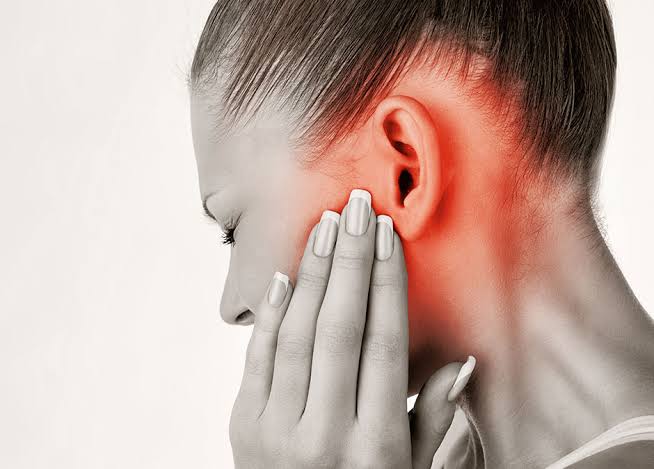
The jaw is part of a complex system that includes muscles, joints, nerves, and posture-related structures. The temporomandibular joints (TMJs) connect the jaw to the skull and work in coordination with muscles in the head, neck, and shoulders.
When the jaw does not function smoothly due to misalignment, muscle imbalance, or bite issues, the body may compensate in ways that create tension elsewhere. Over time, these compensations can affect posture and muscle health throughout the upper body.
How Jaw Dysfunction Can Lead to Neck and Shoulder Tension
When the jaw is misaligned or strained, nearby muscles are often forced to work harder than they should. This can lead to:
- Tightness in the neck muscles
- Shoulder stiffness or soreness
- Headaches linked to muscle tension
- Jaw fatigue or discomfort
Because the jaw and neck share muscular and neurological connections, dysfunction in one area can influence the other. Addressing jaw mechanics may help reduce strain on surrounding muscle groups.
The Role of Jaw Alignment in Posture
Posture is a full-body coordination process. The position of the head and jaw influences how the spine aligns and how muscles support the body throughout the day.
When jaw function is compromised:
- The head may tilt slightly forward
- Neck muscles may compensate for an imbalance.
- Shoulders may round or elevate unconsciously.
- Muscle tension may spread downward.
Over time, these subtle adjustments can contribute to chronic discomfort or postural fatigue.
What Is Jaw Function Restoration?
Jaw function restoration focuses on improving how the jaw moves, aligns, and interacts with the rest of the body. The goal is not only to reduce jaw discomfort, but also to promote balance and efficiency in muscular function.
This process may involve:
- Bite analysis
- Evaluation of jaw movement and symmetry
- Addressing uneven tooth contact
- Supporting muscle relaxation and coordination
At Aria Dental Studio, treatment recommendations are always based on individual assessments, not generalized assumptions.
Common Signs of Jaw Function Issues
Some patients don’t realize their symptoms may be linked to jaw function. Common indicators include:
- Jaw clicking or popping
- Difficulty opening fully
- Facial muscle soreness
- Frequent headaches
- Neck or shoulder tightness without a clear cause
- Teeth grinding or clenching.
If these symptoms persist, a professional dental evaluation can help determine whether jaw function plays a role.
How Restoring Jaw Function May Support Muscle Balance
When the jaw moves more efficiently and teeth contact evenly, surrounding muscles may no longer need to compensate excessively. This can help:
- Reduce strain on neck and shoulder muscles
- Promote more balanced head positioning.
- Improve muscle coordination during daily activities.s
- Increase overall comfort
While jaw-focused treatment does not replace physiotherapy or medical care, it may complement other approaches by addressing oral and bite-related factors.
Dental Evaluation as Part of a Holistic View
A Dentist in Downtown Vancouver trained in jaw function assessment can evaluate how dental alignment and jaw movement may be influencing muscle tension.
Assessments may include:
- Bite and occlusion analysis
- Review of dental wear patterns
- Evaluation of jaw range of motion
- Discussion of lifestyle factors such as stress or posture habits
This careful, patient-specific approach helps determine whether jaw-focused care is appropriate.
Jaw Function Restoration Is Not One-Size-Fits-All
It’s important to understand that jaw-related care varies from person to person. Some patients benefit from bite adjustments or oral appliances, while others may only require monitoring and preventive strategies.
Treatment decisions are influenced by:
- Severity of symptoms
- Dental alignment
- Overall oral health
- Patient comfort and goals
Any care plan should be conservative, evidence-informed, and tailored to individual needs.
A Downtown Vancouver Perspective on Jaw Health
In a fast-paced urban environment like Downtown Vancouver, many individuals experience stress-related habits such as clenching or poor posture during long workdays. These habits can subtly affect jaw health over time.
At Aria Dental Studio, jaw function restoration is considered as part of a broader approach to oral health supporting comfort, function, and long-term balance.
When to Consider a Jaw Function Evaluation
You may benefit from a professional assessment if you experience:
- Ongoing jaw discomfort or stiffness
- Neck or shoulder tension without a clear explanation
- Headaches associated with jaw movement
- Clicking or locking of the jaw
- Tooth wear from clenching or grinding
Early evaluation can help identify contributing factors before symptoms become more disruptive.
What Jaw Function Restoration Cannot Do
It’s important to maintain realistic expectations.
- It does not replace medical treatment for spinal or neurological conditions.
- It does not instantly correct posture.
- It does not eliminate all muscle discomfort.t
However, when jaw function contributes to strain, addressing it may support overall comfort as part of coordinated care.
Final Thoughts
Jaw function plays a meaningful role in how the body moves, balances, and adapts. When jaw mechanics are strained, muscles in the neck and shoulders may compensate, potentially contributing to discomfort and postural challenges.
Understanding this connection empowers patients to explore comprehensive, informed care starting with proper evaluation.
Schedule a Jaw Function Assessment at Aria Dental Studio
If you’re experiencing jaw discomfort alongside neck or shoulder tension, a professional evaluation may help clarify whether jaw function is contributing to your symptoms.
Contact Aria Dental Studio to book a consultation with a trusted Dentist in Downtown Vancouver and learn more about Jaw Function Restoration in a supportive, patient-focused environment.